For the captain who wants the shot to be theirs. And the victory to belong to the team.
GQ1942 exists to put deliberate surface combat, distinctive historical ships and useful teamwork at the center of a naval game. Not just more firepower. More reasons to think, move and help.
IN DEVELOPMENT / DESIGN COMMITMENTS
The direction below guides development. It is not a released-feature checklist.
01 / THE FIGHT
ONE CAPTAIN. YOUR DECISIONS.
A surface battle should be won from the bridge—not from a menu of advantages.
GQ1942 puts the emphasis on captaining a ship: reading movement, leading the target and deciding when to commit. Manual aim is central. A well-timed salvo should feel like a decision you made, not a result handed down by an automatic target tracker. We want weight and consequence without a battle that spends its best minutes waiting to begin.
What skill-first combat means+
Aiming, timing, maneuver and cooperation are the skills we want to reward. Minimizing random outcome swings is the goal; promising that every shell always lands exactly alike is not. Clear gun readiness, useful shot feedback and understandable defeats matter as much as the spectacle. This is a surface-ship game: playable aircraft carriers and submarines are outside its scope.
02 / THE WATER
A FLANK IS AN OPPORTUNITY. SO IS A RETREAT.
Good water gives you choices. A bad commitment should still teach you something.
The direction is toward battles with room to cross, reposition, screen an ally or fall back—not corridors that lock you into one exchange. Cover should be useful without becoming a permanent hiding place. Long-range support can be valuable; sitting far away and contributing nothing is not the same thing.
Counterplay, not identical capabilities+
Every threat needs a practical, readable response, but every ship need not win every duel. Some answers should come from a teammate, a different angle or a better moment to engage. Land must block radar and hydro detection. Readable information, fair approaches and meaningful routes are design requirements, not a promise that every map or balance question is solved.
03 / THE FORMATION
NOT EVERY CONTRIBUTION LEAVES A SHELL HOLE.
Five distinct roles. More than one way to carry your weight.
Battleships bring the weight of the line. Heavy cruisers contest angles and sustain pressure. Light cruisers work closer to the screen, with a distinct destroyer-hunting identity. Destroyers scout, screen and create openings. Repair/support ships make recovery a team decision. These are complementary roles—not five versions of the same ship with different silhouettes.
Give useful work its due+
A destroyer that screens a flank or a support captain who makes a rescue possible should not disappear behind a raw-damage leaderboard. The commitment is to recognize effective scouting, escort, objectives and recovery. Rewards must follow useful contribution, not simply the class selected. Exact scoring, attribution and anti-farming rules still need design and playtesting.
04 / THE AFTERMATH
DISABLED IS NOT THE END OF THE STORY.
A ship out of the fight can still give a fleet something worth fighting for.
Damage should change what you can do. A crippled ship, a dangerous retreat and a tow under pressure create decisions that a disappearing health bar cannot. Getting an ally clear should matter. So should the choice to protect the rescue, keep pressure on the enemy or accept the cost of leaving someone behind.
Recovery with consequences+
The aim is a return to useful action—not instant restoration to full fighting strength. Damaged systems, limited repair and exposure during recovery preserve the consequences of the battle. Towing and support remain design goals, including keeping the rescuing captain engaged. Depth must not turn damage control into a repetitive maintenance chore.
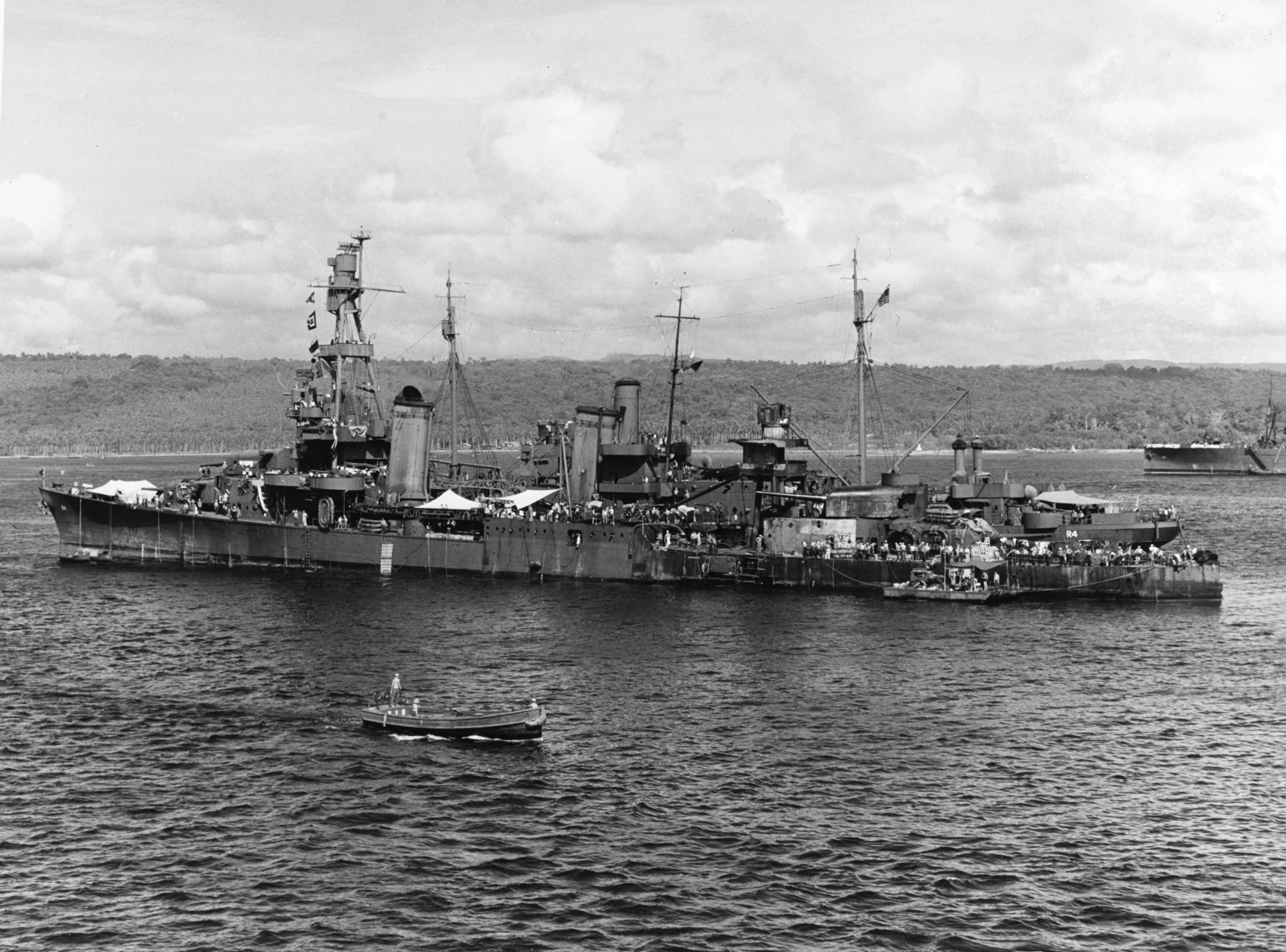
THE WORK AFTER THE SALVOUSS Pensacola alongside USS Vestal · Espiritu Santo, 17 December 1942 U.S. Navy / 80-G-33862 · Historical reference—not gameplay
05 / THE SHIPS
REAL HULLS. OUR OWN WORK.
History supplies the identity. Playtesting must make the battle work.
The fleet begins with actually built WWII ships: recognizable vessels with their own strengths, weaknesses and national character. No paper fleet invented to fill a symmetrical tree. No fictional crossover that breaks the setting. A navy does not need every capability another navy had to deserve a place in the game.
Authenticity without a rigid simulator+
The design allows gameplay adjustments to speed, distance, damage and repair when they make the battle better. That is not permission to invent historical ships or erase every difference between them. Original asset work, dated references and rights review are part of the development commitment; another game’s models, code, text or distinctive designs are not our source material. The photographs here are historical references, not a claim about finished game art.
06 / THE GROUND RULES
BUYING POWER IS NOT THE GAME.
The advantage should come from the decisions you make at sea.
No pay-to-win. No premium ammunition. No paid randomized containers or paid keys. Those are design commitments, not optional extras for a later store. A purchase must be clear about what it contains, and “convenience” is not an excuse to sell a competitive advantage.
Fair opportunity, not manufactured results+
The same principle applies to the fight itself: readable counterplay and a fair chance to contribute. Matchmaking should seek competitive opportunities, not force a close score or manipulate wins and losses. Ship capability, team roles and useful support play matter to that discussion. The exact system is not finalized, and there is no live matchmaking service being offered here.
07 / THE LONG VIEW
MASTER YOUR SHIP. DON’T OUTGROW THE FIGHT.
Long-term progression should give a captain choices—not make a new opponent irrelevant.
The direction is deep per-ship mastery: branching specialization, mostly sidegrades and modest, bounded improvements. A stock ship must remain competitive. Progress should build familiarity and expression without stacking enough power to let experience alone decide an encounter before the first shot.
Where the design is still open+
The shape of those branches, equipped specializations, respec rules and the wider economy are not settled. Neither are ship tiers or the final matchmaking architecture. Historical capability differences do not disappear when tier labels do. The work is to preserve ship identity and fair play together—not promise a universal formula before it has survived testing.
08 / THE CONVERSATION
A COURSE SET WITH THE PLAYERS.
Feedback is part of building the game, not a ceremony after the decisions are made.
We want community requests, informed discussion and votes to help shape what comes next. A useful idea deserves clear trade-offs, a prototype and a playtest—not a promise that hides the difficult parts. When something is deferred, declined or needs another pass, players should be able to understand why.
Open criticism. Equal standing.+
Creators and everyday captains both have valuable feedback. Spending or creator status must not buy extra voting influence, and support-role voices should not be drowned out by the loudest class. Criticism and disagreement are welcome; abuse and cheating are not. This website does not offer voting, moderation or appeals services. Security, accessibility and essential maintenance should not wait for a feature poll.
02 / THE SURFACE FLEET
FIND YOUR PLACE IN THE LINE.
Not every ship fights the same way. Explore the roles taking shape for GQ1942.
Swipe to explore ship classes ↔
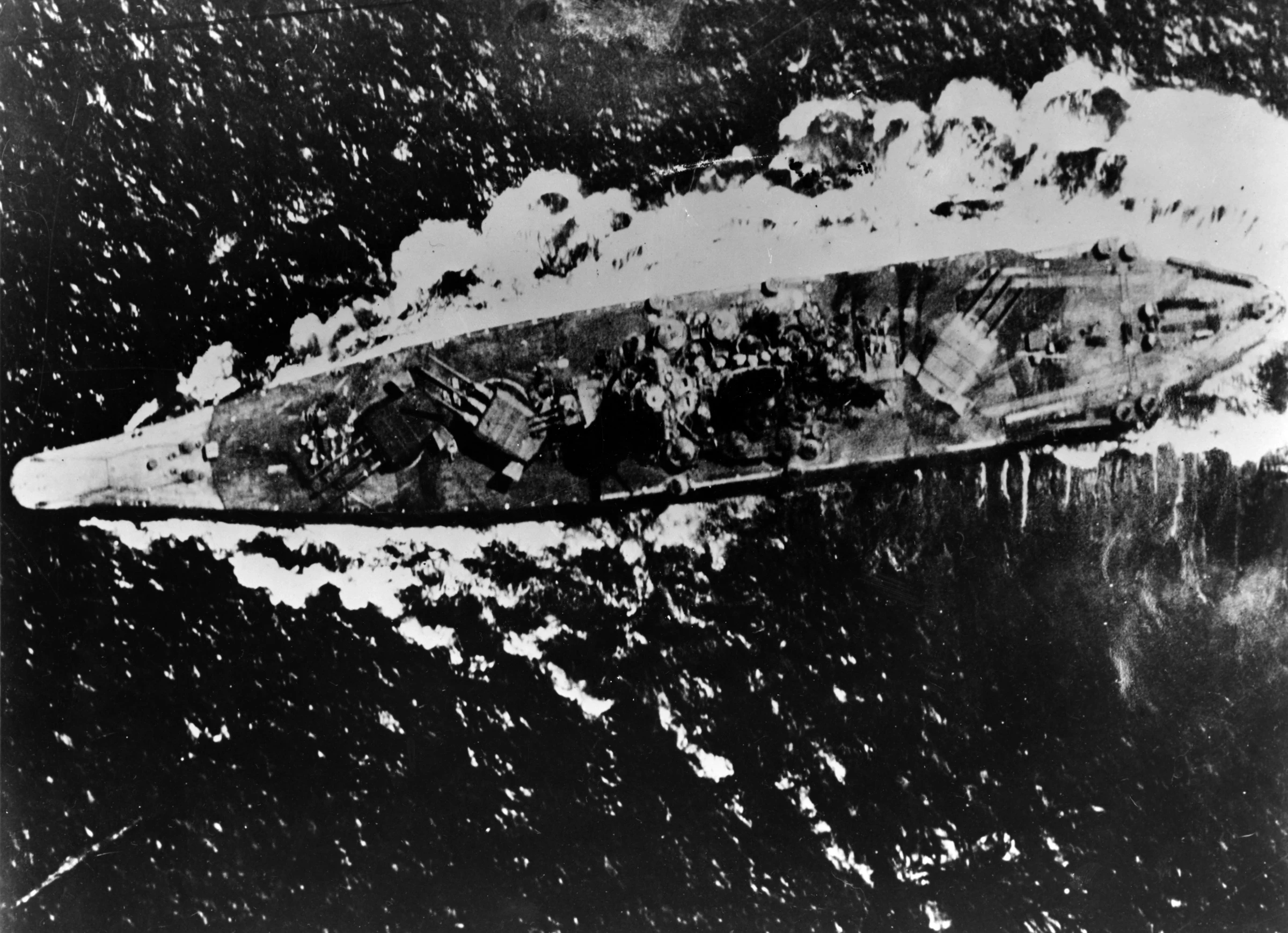
Yamato · Imperial Japanese Navy · Sibuyan Sea, 24 October 1944 · U.S. Navy aerial photograph / National Archives 80-G-325953
BB / DESIGN DIRECTION · JAPAN
COMMIT. MAKE IT COUNT.
Bring the weight of the battle line. Choose an angle, commit a salvo and stay connected to the ships keeping your flanks safe.
HISTORICAL ROLE EXAMPLES
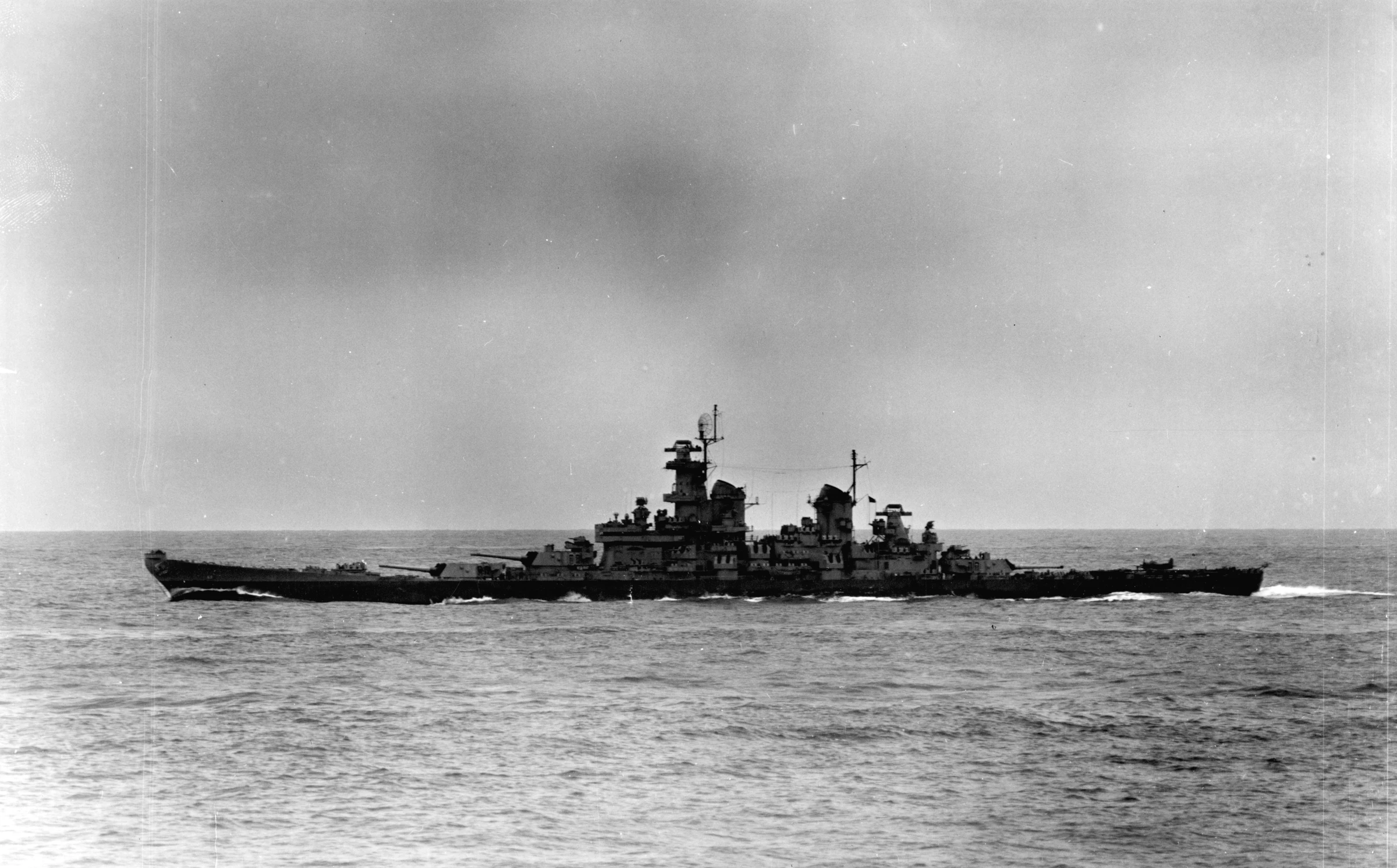
Yamato / Missouri
Historical photographs illustrate ship roles, not a confirmed playable roster. USS Vestal is the archival repair-ship example shown here; it is not USS Medusa and does not establish either ship as playable. Roster decisions will be announced separately.
03 / UNDER DEVELOPMENT
BEFORE THE FIRST SALVO.
Development update · 20 November 2026 A new communications wheel has been built. HMS King George V’s bridge, foremast and boats have been revised. Emden’s hull, bridge and funnels have been remodeled against frame plans. USS Juneau’s whaleboats were checked in development playtests and verified clear of surrounding geometry. These are development milestones, not a public release or a final roster announcement.